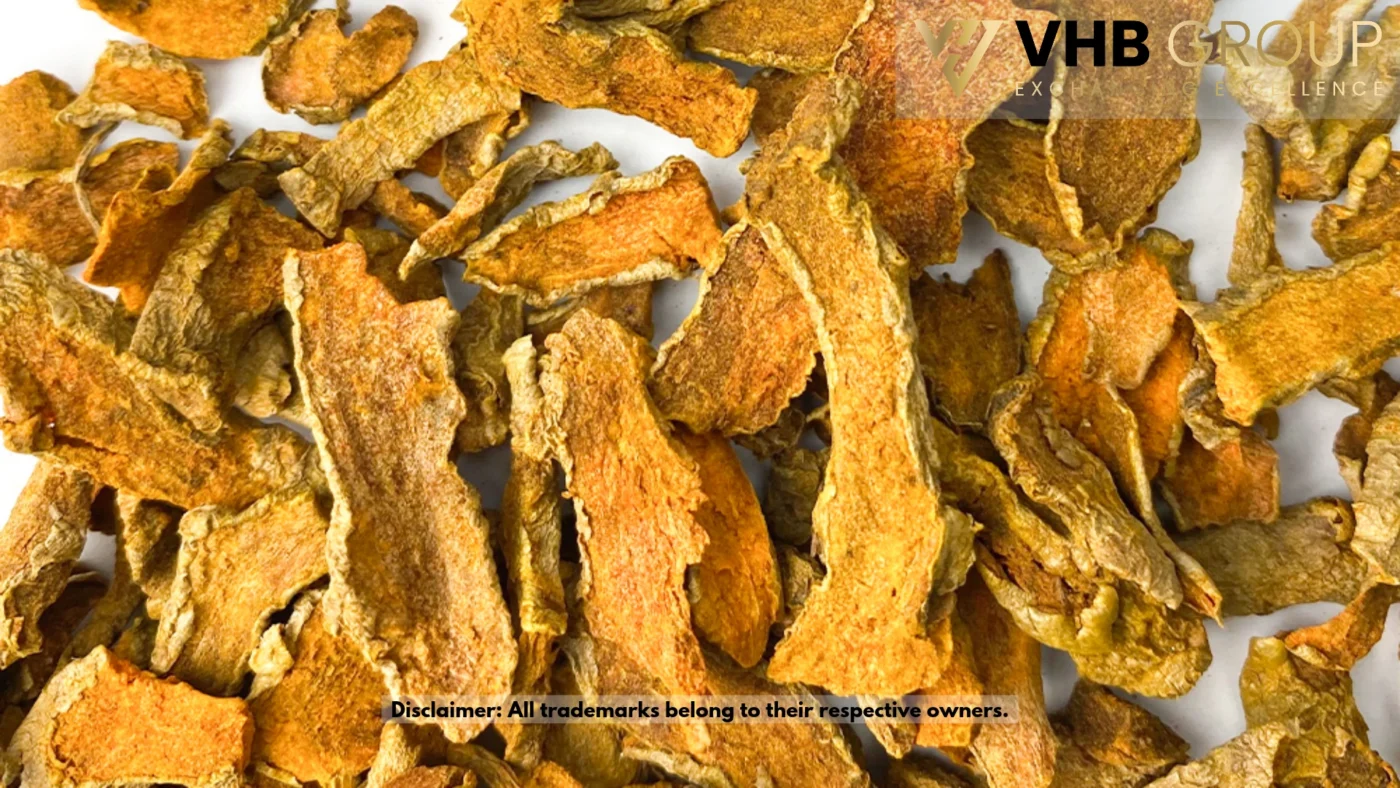
Sourcing Dried Turmeric Slices Wholesale Bulk Export Supply inventory provides international spice grinders, oleoresin extraction plants, herbal tea formulators, and FMCG trading partners with an essential, high-margin botanical raw material in the global culinary and nutraceutical sectors. Processed from mature Curcuma longa rhizomes cultivated across premier Asian agricultural hubs (such as Vietnam, India, and Myanmar), commercial dried turmeric slices are heavily demanded for their vibrant golden-orange pigment, high natural curcuminoid content, and superior volatile oil retention compared to pre-ground powders, distinguishing them as a foundational staple for industrial milling and extraction lines.
For B2B procurement managers and supply chain directors working with agricultural exporters, managing full container load (FCL) consignments of bulk dried turmeric slices requires carefully evaluating moisture thresholds, slice thickness and uniformity, curcumin percentage guarantees, moisture-barrier export sacks, ocean container payload limits, and international phytosanitary customs clearance protocols. This technical guide evaluates the operational, financial, and logistical frameworks necessary to establish a highly profitable import and distribution model for this globally demanded agricultural commodity.
Table of Contents
-
Global Market Demand for Dried Turmeric Slices
-
Product Portfolio Breakdown
-
Packaging Configurations and Freight Density
-
B2B Sourcing Pathways for Wholesale Dried Turmeric Slices
-
Landed Cost Calculation Framework
-
Import Compliance, Harmonized System Codes, and Customs Documentation
-
Strategic Wholesale Procurement
Global Market Demand for Dried Turmeric Slices
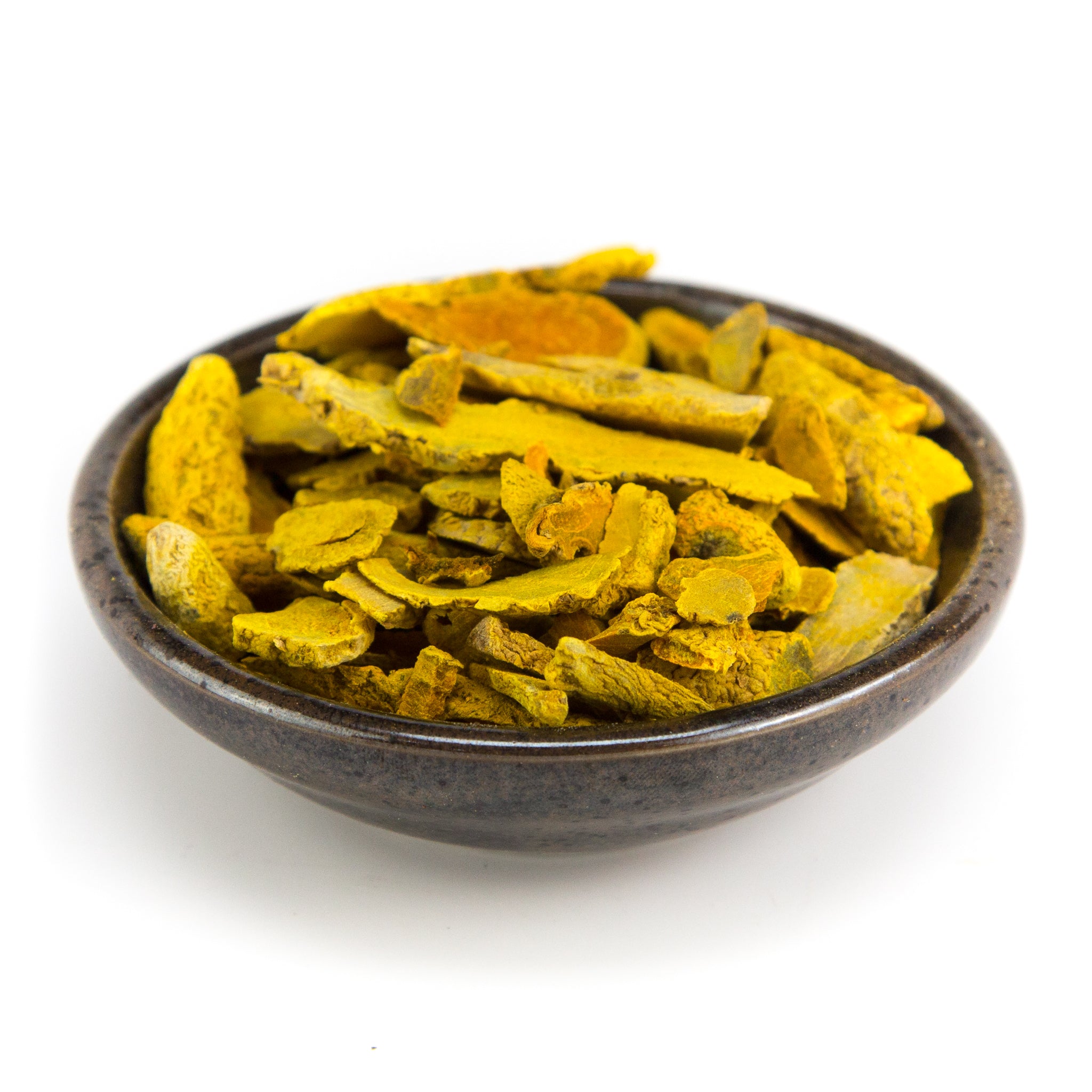
The global spice milling, natural food coloring, and nutraceutical industries rely fundamentally on intact, dehydrated rhizome slices rather than pre-milled powders to guarantee absolute botanical purity and eliminate adulteration risks. Bulk dried turmeric slices command massive year-round export liquidity across North America, the European Union, the Middle East, and East Asia. They serve as the primary feedstock for in-house spice grinding, commercial curcuminoid oleoresin extraction, herbal wellness teas, and traditional culinary broths.
View Turmeric Rhizomes Reference on Wikimedia Commons
Growth Drivers in the Market
The continuous growth in the bulk dried turmeric slice sector is driven by two converging trends: strict international food-safety scrutiny against adulterated ground spices (such as lead chromate or starch fillers), and surging global consumer demand for natural anti-inflammatory curcumin supplements and golden-milk wellness beverages. Industrial buyers consistently pivot toward whole dried slices because they allow visual inspection of raw rhizome quality, preserve delicate volatile oils until the exact moment of grinding, and offer a 24-month ambient shelf life when properly dried.
Commercial Advantages
Adding bulk dried turmeric slices to a B2B spice distribution catalog delivers distinct commercial advantages:
-
Zero Adulteration Risk: Intact slices allow immediate visual verification of botanical authenticity, eliminating the filler and synthetic dye risks associated with low-grade pre-ground powders.
-
Superior Volatile Oil Retention: Keeping the rhizome in sliced form locks in aromatic turmerones and natural oleoresins far longer than fine powders during long-haul ocean transit.
-
Multi-Sector Industrial Demand: Simultaneously serves spice grinders, herbal tea blenders, natural colorant extractors, and Ayurvedic/nutraceutical contract manufacturers.
Product Portfolio Breakdown
Curating an optimal inventory mix requires selecting the right drying method, peeling status, and curcumin grade tailored to target industrial demographics.

Core Product SKUs
When structuring a container load from Asian spice export hubs, the core grades form the absolute foundation of the procurement strategy:
-
Unpeeled Sun-Dried / Kiln-Dried Slices (Standard Grade): The flagship industrial feedstock for bulk grinding and oleoresin extraction. Sliced to 2mm–4mm thickness and dried to ≤ 10–12% moisture.
-
Peeled & Polished Golden Slices (Premium Grade): Mechanically washed and peeled prior to slicing and hot-air kiln drying, yielding a bright, uniform golden-orange slice free of outer skin dust—heavily demanded by herbal tea blenders and gourmet retail repackers.
-
High-Curcumin / Organic Certified Slices: Sourced from high-curcumin cultivars (such as Vietnamese red/orange turmeric or Indian Alleppey/Erode varieties) certified free of synthetic pesticides and sulfur dioxide (SO2).
Packaging Configurations and Freight Density
When managing ocean shipments, physical logistics heavily dictate profitability. Dried turmeric slices are moderately bulky and rigid; unlike dense fine powders, the air gaps between curved dried slices mean containers require careful compression and stacking to maximize payload. Export shipments are packed in heavy-duty woven polypropylene (PP) sacks or multi-wall kraft bags lined with food-grade polyethylene (PE) inner liners to lock out marine humidity.
Master Packing Yields
Understanding the exact packing specifications is critical for calculating container payloads:
| Packaging SKU Format | Standard Weight | Packaging Structure | Primary Distribution Channel |
| Woven PP Export Sack | 25 kg / 50 kg | Heavy PP Sack + Inner PE Liner | Spice Grinders, Oleoresin Extractors |
| Industrial Kraft Bag | 25 kg | 3-Ply Kraft Paper + PE Liner | Tea Blenders, Food Processors |
| Corrugated Export Carton | 10 kg / 20 kg | 5-Ply Carton + Sealed PE Liner | EU/US Cleanroom & Retail Repackers |
B2B Sourcing Pathways for Wholesale Dried Turmeric Slices
Commercial buyers access wholesale inventory through primary procurement channels. Industrial grinders, extraction plants, and regional spice distributors typically source directly from ISO 22000, BRC, or HACCP-certified agricultural drying facilities operating near major cultivation belts in Vietnam (e.g., Hung Yen, Nghe An, Central Highlands) or India (Tamil Nadu, Maharashtra, Kerala). Direct mill sourcing ensures full lot traceability, custom slice thickness (2mm–5mm), and competitive Free On Board (FOB) pricing at major export ports like Hai Phong, Ho Chi Minh City, or Tuticorin/Cochin.
Landed Cost Calculation Framework
Procurement teams must accurately forecast their financials before executing a purchase order. Calculating net landed per-kilogram costs involves applying a structured, multi-step financial calculation process.
Step-by-Step Financial Breakdown
-
Step 1: Calculate Ocean Freight Charges (typically utilizing 20ft standard dry containers holding ~10–12 metric tons of dried slices, or 40ft High Cube containers holding ~20–24 metric tons due to slice bulkiness) + Origin Port Fees + Import Customs Duties + Marine Cargo Insurance + Destination Drayage.
-
Step 2: Add the Total Shipping Overhead and any third-party lab testing fees (e.g., HPLC curcumin assay, SGS aflatoxin/heavy metal screening) to the Free On Board (FOB) Purchase Price per Metric Ton.
-
Step 3: Divide the Total Landed Cost by total net kilograms to establish the exact landed cost per kg.

Import Compliance, Harmonized System Codes, and Customs Documentation
Clearing dried spice imports through international customs is a highly regulated process. Securing your shipments requires flawless documentation verified by accredited origin laboratories.
Essential Export Documentation Suite
-
Commercial Shipping Documents: Master Bill of Lading (B/L), Commercial Invoice, Detailed Packing List, and a Certificate of Origin (COO).
-
Harmonized System Classification: For customs declaration, dried whole or sliced turmeric (neither crushed nor ground) is strictly classified under HS Code 0910.30.
-
Sanitary, Phytosanitary & Lab Data: Importers must hold a Phytosanitary Certificate, Fumigation Certificate (if required by destination), and a comprehensive Certificate of Analysis (COA) verifying moisture content (≤ 10–12%), curcumin content (typically 3.0%–5.5%+), absence of lead chromate, aflatoxins, and strict pesticide Maximum Residue Limits (MRLs).
Strategic Wholesale Procurement
Mastering the procurement of bulk dried turmeric slices is the definitive key to securing pure, high-curcumin supply chains in the global spice and nutraceutical sectors. From verifying HPLC curcumin grades to specifying moisture-proof PE-lined sacks, every operational detail directly protects color intensity, oil retention, and customs clearance speed.
Dried Turmeric Slices Curcumin & Color FAQ
Disclaimer: Unless otherwise stated, the images used in this article are the property of their respective owners. We do not claim ownership of any third-party images featured, and they are used here strictly for informational and educational purposes. If you are the copyright holder and wish to have an image removed, please contact us.