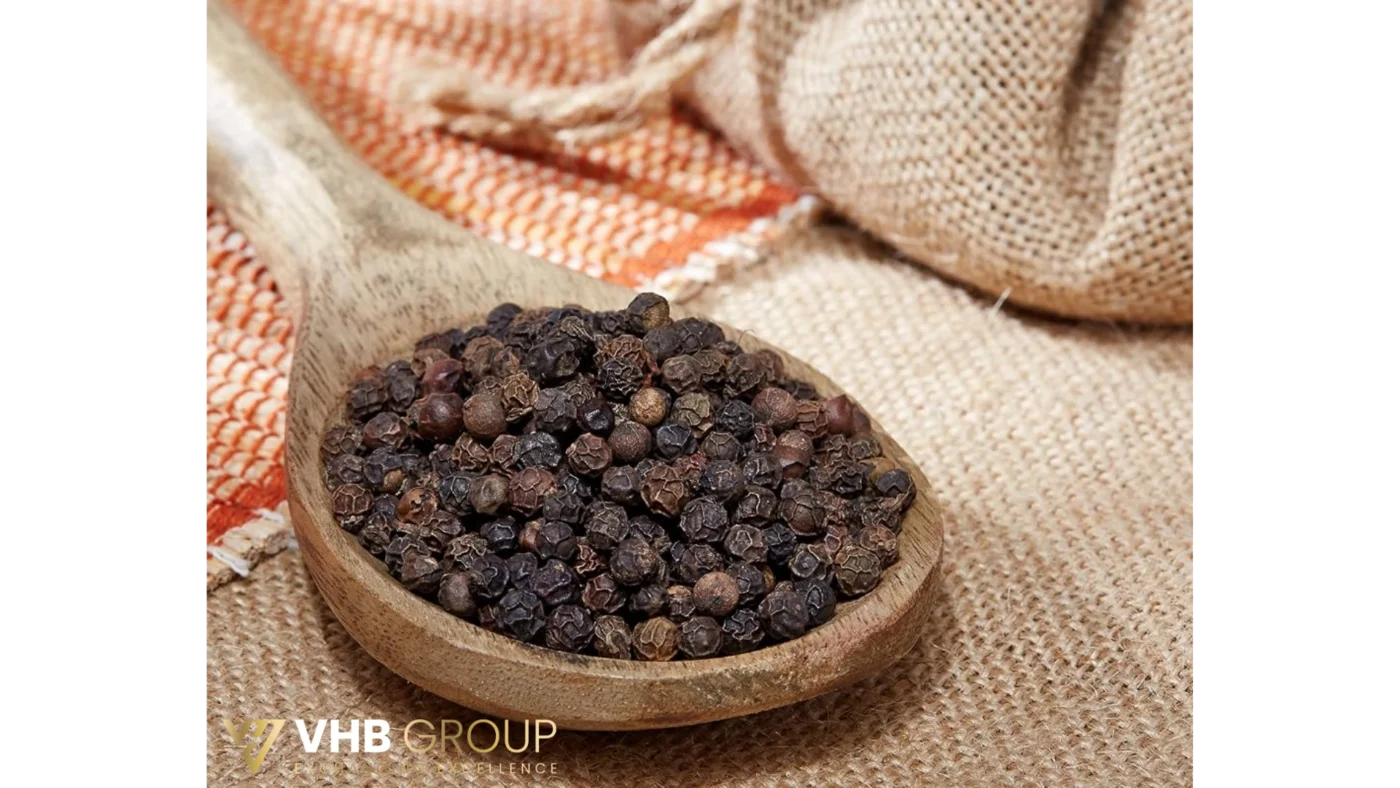
In the competitive landscape of global agricultural trade, securing high-quality Bulk Export Black Pepper Unique SKUs is essential for international food manufacturers, distributors, and spice packers. As supply chains face increasing scrutiny regarding traceability, chemical residues, and quality consistency, B2B buyers must partner with reliable suppliers who understand the technical nuances of the spice industry. Vietnam has solidified its position as the global powerhouse of black pepper production, offering an unmatched combination of favorable climatic conditions, agricultural innovation, and advanced processing capabilities. This comprehensive guide details how agricultural sourcing executives can optimize their supply chain by selecting specific, value-added black pepper grades tailored to their precise market requirements.
Table of Contents
- 1. Global Market Dynamics and Bulk Export Black Pepper Unique SKUs
- 2. Vietnam’s Key Pepper Cultivation Regions
- 3. Advanced Processing Methods and Value-Add Technology
- 4. Deep Dive into Bulk Export Black Pepper Unique SKUs and Technical Specifications
- 5. International Quality Standards and Certifications
- 6. Sustainable Export Packaging and Maritime Logistics
- 7. Frequently Asked Questions (FAQ)
- 8. Conclusion: Sourcing Premium Bulk Export Black Pepper Unique SKUs with VIHABA

Global Market Dynamics and Bulk Export Black Pepper Unique SKUs
The global black pepper market has transitioned from a basic commodity-driven trade into a highly specialized sector. Driven by the food processing, pharmaceutical, and cosmetics industries, the demand for reliable, standardized, and safe black pepper has reached historic highs. Today’s global buyers no longer purchase generic black pepper; instead, they demand tailored solutions that specify density, piperine content, moisture levels, and microbiological safety profiles.
Vietnam is at the center of this transformation. Accounting for over 40% of the world’s black pepper exports, the country has invested heavily in modernizing its agricultural infrastructure. For B2B importers, this means access to a continuous supply of highly customized products. By understanding the functional properties of different grades, buyers can acquire Bulk Export Black Pepper Unique SKUs that perfectly match their application requirements, whether for consumer-facing retail jars, industrial meat processing, or extraction of essential oils.
Vietnam’s Key Pepper Cultivation Regions
To understand the quality profile of Vietnamese black pepper, one must examine the geography of its cultivation. The country’s pepper cultivation is concentrated in regions characterized by rich volcanic soils and a tropical monsoon climate, which together foster optimal growth conditions for the Piper nigrum vine.
The Central Highlands: Dak Lak, Dak Nong, and Gia Lai
The Central Highlands region is the undisputed heartland of Vietnam’s pepper industry. Here, basaltic red soil provides an exceptionally rich nutrient base that promotes deep root development and robust vine health. Positioned at altitudes ranging from 500 to 800 meters above sea level, these provinces experience distinct wet and dry seasons, allowing farmers to synchronize harvesting with natural drying cycles. Pepper grown in this region typically exhibits high piperine content, ranging from 5.5% to 7.0%, delivering the bold, pungent heat favored by international culinary markets.
The Southeast Region: Binh Phuoc and Dong Nai
Further south, the provinces of Binh Phuoc and Dong Nai benefit from flatter terrain and a consistently warm, humid climate. The soils here are a mix of basaltic and alluvial components, yielding black pepper berries with highly aromatic profiles and rich volatile oil content. This makes Southeast Vietnamese pepper highly sought after by flavor extractors and spice blending houses that require strong volatile oil baselines to preserve aroma after grinding and processing.
Advanced Processing Methods and Value-Add Technology
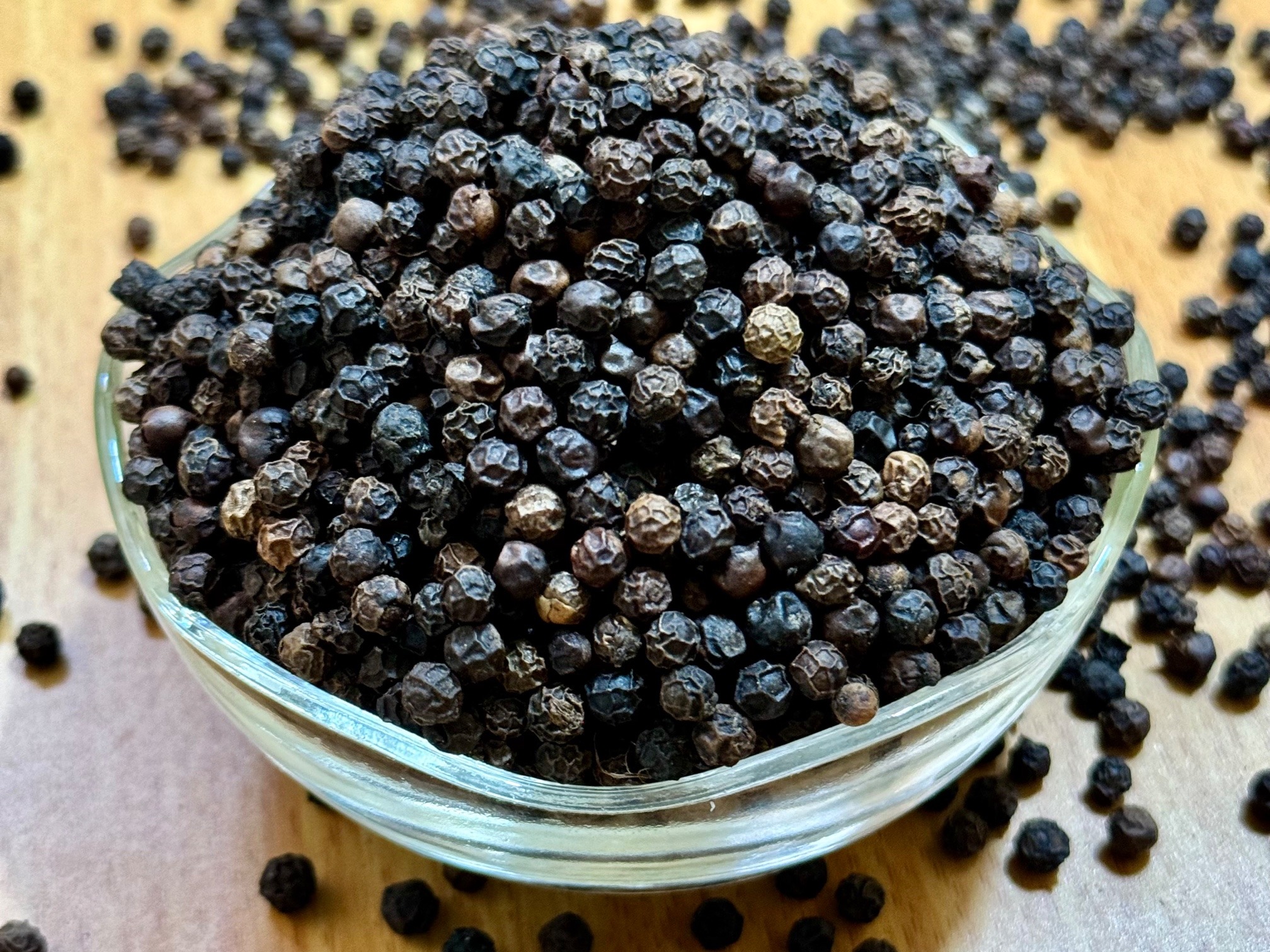
Raw agricultural commodities carry natural impurities, including dust, soil, field insects, and microbiological elements. Modern processing technology is what transforms raw pepper into clean, safe, food-grade ingredients. Vietnam’s leading processing facilities utilize multi-stage cleaning lines to meet the stringent standards of the American Spice Trade Association (ASTA) and European Spice Association (ESA).
Mechanical Cleaning and Sorting
The first stage of processing involves removing physical impurities. Air classifiers and de-stoners remove dust, stones, and light straw. Spiral separators and gravity tables then sort the pepper berries by shape, weight, and size, ensuring that only fully mature, uniform berries proceed to packaging. High-intensity magnetic separators are also deployed to eliminate any trace of ferrous or non-ferrous metal contaminants.
Steam Sterilization: Chemical-Free Safety
For sensitive markets like North America and Europe, traditional chemical fumigation (using Ethylene Oxide, or ETO) is highly restricted or banned. To address this, modern processing plants utilize continuous steam sterilization. This process subjects the black pepper to high-pressure steam for a brief period (typically 15 to 30 seconds), effectively destroying pathogens such as Salmonella, E. coli, and molds without degrading the volatile oils or altering the natural color of the pepper. This technology guarantees that the resulting products are safe for direct consumption and industrial blending.
Deep Dive into Bulk Export Black Pepper Unique SKUs and Technical Specifications
Purchasing agents must navigate a spectrum of technical parameters when selecting their ideal pepper grades. Different industrial applications require distinct chemical and physical profiles. At VIHABA, we specialize in providing tailored solutions that meet these specific industrial demands. To streamline your procurement process and explore our fully customizable product line, you can browse our dedicated catalog of Bulk Export Black Pepper Unique SKUs designed specifically for international distributors.
The table below details the standardized specifications of our core export-grade black pepper, demonstrating the precise calibration available for global markets.
| Product Grade SKU | Bulk Density (g/l) | Moisture (% Max) | Admixture (% Max) | Piperine Content (% Min) | Volatile Oil (% Min) |
|---|---|---|---|---|---|
| FAQ 500 G/L | 500 | 13.5% | 1.0% | 5.0% | 1.5% |
| FAQ 550 G/L | 550 | 13.0% | 0.5% | 5.5% | 1.8% |
| ASTA 550 G/L (Cleaned) | 550 | 12.5% | 0.2% | 5.8% | 2.0% |
| ASTA 570 G/L (Cleaned) | 570 | 12.5% | 0.2% | 6.0% | 2.2% |
| Steam Sterilized 570 G/L | 570 | 12.0% | 0.1% | 6.0% | 2.2% |
These specifications illustrate the clear distinction between standard Fair Average Quality (FAQ) grades—suitable for general grinding and oil extraction—and ASTA or Steam Sterilized grades, which are engineered for direct packaging, high-end retail spice grinders, and strict microbiological-controlled food manufacturing.
International Quality Standards and Certifications
In B2B trade, certifiable compliance is not optional; it is the foundation of market access and consumer trust. Global buyers must comply with strict national regulations, such as the European Food Safety Authority (EFSA) directives and the United States Food Safety Modernization Act (FSMA). Consequently, exporters must maintain an unbroken chain of international certifications throughout the growing and processing stages.
Good Agricultural Practices (GlobalGAP)
The journey of premium black pepper begins at the farm level. By implementing GlobalGAP standards, growers ensure sustainable water usage, chemical safety, and ethical labor practices. This systematic approach guarantees that chemical pesticide residues remain well below the strict Maximum Residue Limits (MRLs) enforced by importing nations.
Industrial Food Safety: ISO 22000 & HACCP
Within the processing facility, Hazard Analysis Critical Control Point (HACCP) systems and ISO 22000 management principles are vital. These frameworks ensure that potential physical, chemical, and biological hazards are identified and mitigated at critical control points—such as the gravity table sorting, metal detection, and steam sterilization stages. For specialized markets, obtaining certified Halal and Kosher designations is also key to unlocking broad consumer segments.

Sustainable Export Packaging and Maritime Logistics
Even the highest-grade black pepper can deteriorate during long transit periods if logistics and packaging are compromised. Black pepper is sensitive to moisture absorption, which can lead to mold development, clumping, and a dramatic drop in volatile oil concentration during maritime shipment.
B2B Packaging Options
We offer specialized packaging configurations designed to preserve product integrity over long distances:
- Woven PP Bags (25 kg or 50 kg): The industry standard for bulk raw pepper, providing durability and high breathability during warehouse storage.
- Multi-Wall Kraft Paper Bags: Excellent for processed ASTA and ground pepper grades. The paper construction acts as a barrier to light and moisture while retaining the delicate volatile oils.
- Jumbo Bags (600 kg to 1,000 kg): Ideal for high-volume industrial manufacturers who feed automated processing lines directly.
Container Management and Condensation Prevention
Cross-continental shipping exposes containers to extreme temperature shifts, causing “container sweat” (condensation). To prevent water damage, containers must be thoroughly prepared. Processing teams line container walls with heavy kraft paper and place high-capacity silica gel dehumidifying bags inside. Proper container ventilation and moisture barriers ensure that the black pepper arrives at its destination in the exact condition it left the processing plant.
Conclusion: Sourcing Premium Bulk Export Black Pepper Unique SKUs with VIHABA
Navigating the complexities of agricultural commodity procurement requires a reliable, transparent, and quality-driven partner. Sourcing high-quality Bulk Export Black Pepper Unique SKUs is not just about finding the lowest price—it is about securing a consistent supply of products that comply with food safety standards, exhibit uniform physical traits, and preserve their natural flavor profile from origin to end consumer.
VIHABA is committed to bridging the gap between Vietnam’s rich agricultural heritage and global B2B buyers. With direct access to premium growing regions, advanced state-of-the-art processing, and a deep understanding of international compliance, we deliver customized spice solutions that drive success. Partner with VIHABA to secure a sustainable, scalable, and high-performing spice supply chain for your business.
Bulk Black Pepper Unique SKUs FAQ
Disclaimer: Unless otherwise stated, the images used in this article are the property of their respective owners. We do not claim ownership of any third-party images featured, and they are used here strictly for informational and educational purposes. If you are the copyright holder and wish to have an image removed, please contact us.